Physical AI for Industrial Robots
Physical AI for Industrial Robots
An industrial-grade AI platform for robot autonomy
An industrial-grade AI platform for robot autonomy
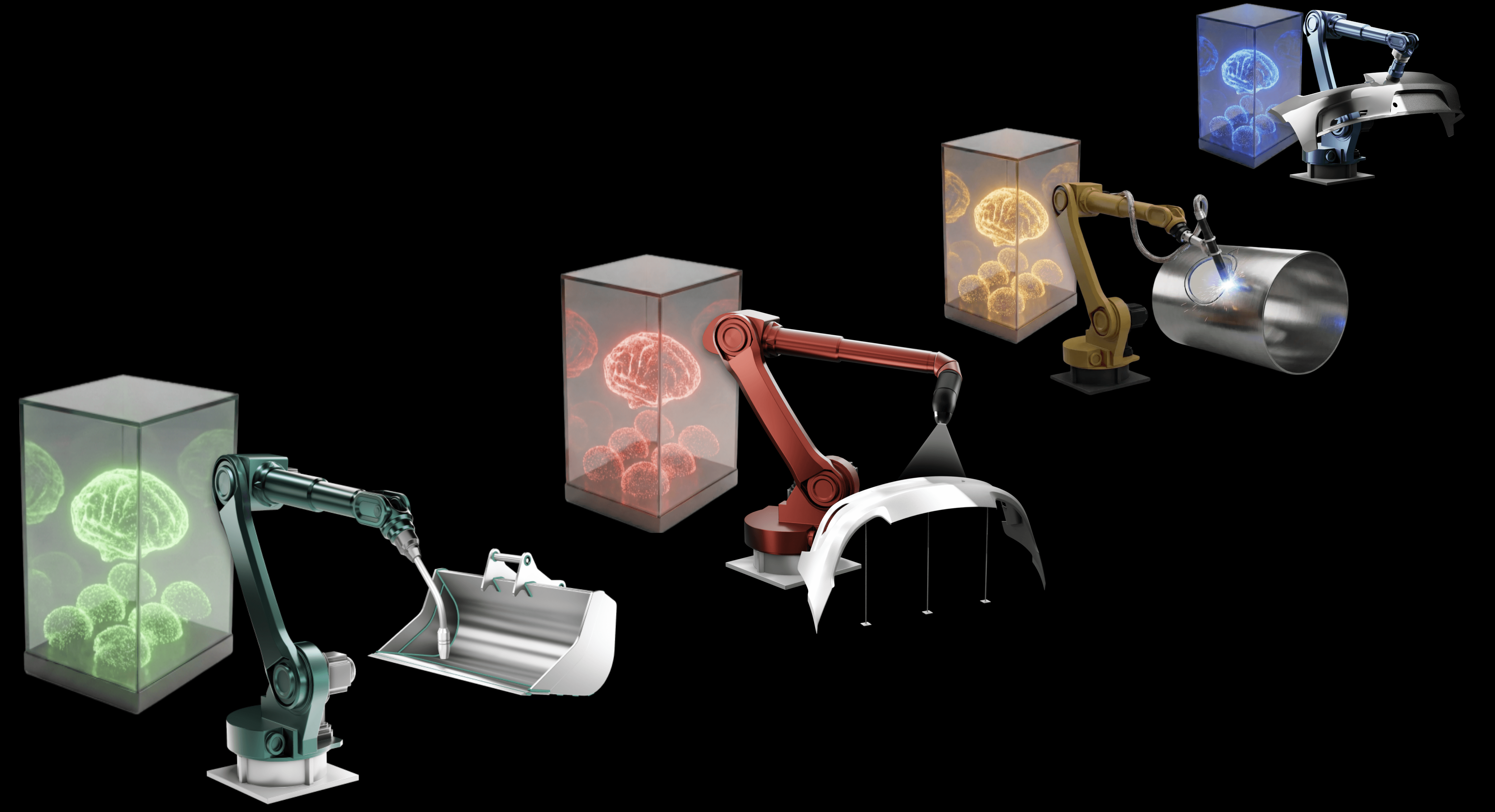
Industrial intelligence, built for production
Industrial intelligence, built for production
NC Robotics builds the industrial AI layer that turns industrial robots into autonomous production systems
NC Robotics builds the industrial AI layer that turns industrial robots into autonomous production systems
Robots have passed the hardware threshold
Robots have passed the hardware threshold
Robots have passed the hardware threshold
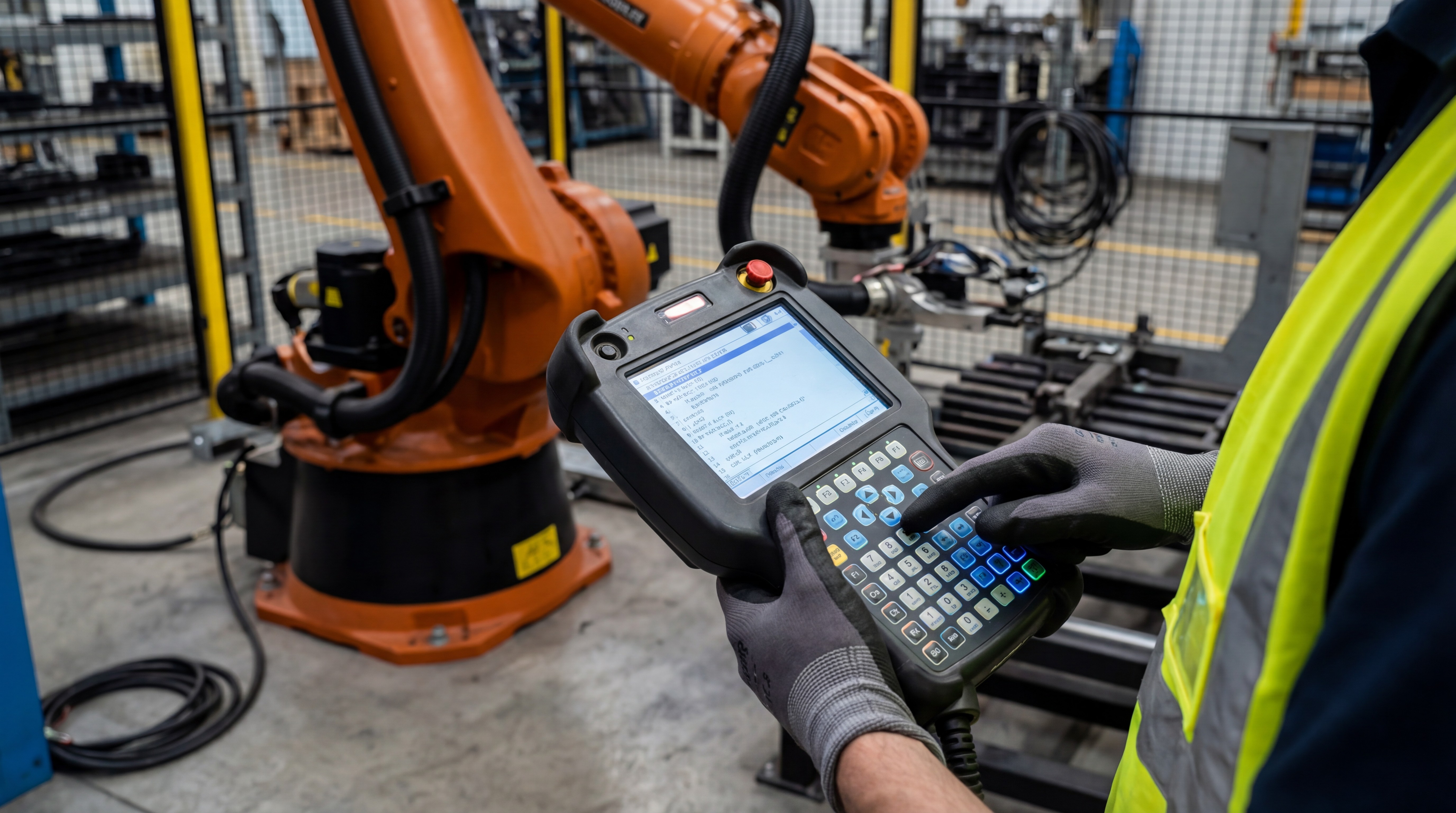
The cost of industrial robot hardware is declining. Productivity gains now depend on how fast robots can be deployed, reconfigured, and validated — the bottleneck has moved from mechanics to intelligence.
The cost of industrial robot hardware is declining. Productivity gains now depend on how fast robots can be deployed, reconfigured, and validated — the bottleneck has moved from mechanics to intelligence.
Industrial requirements
Industrial requirements
Industrial requirements
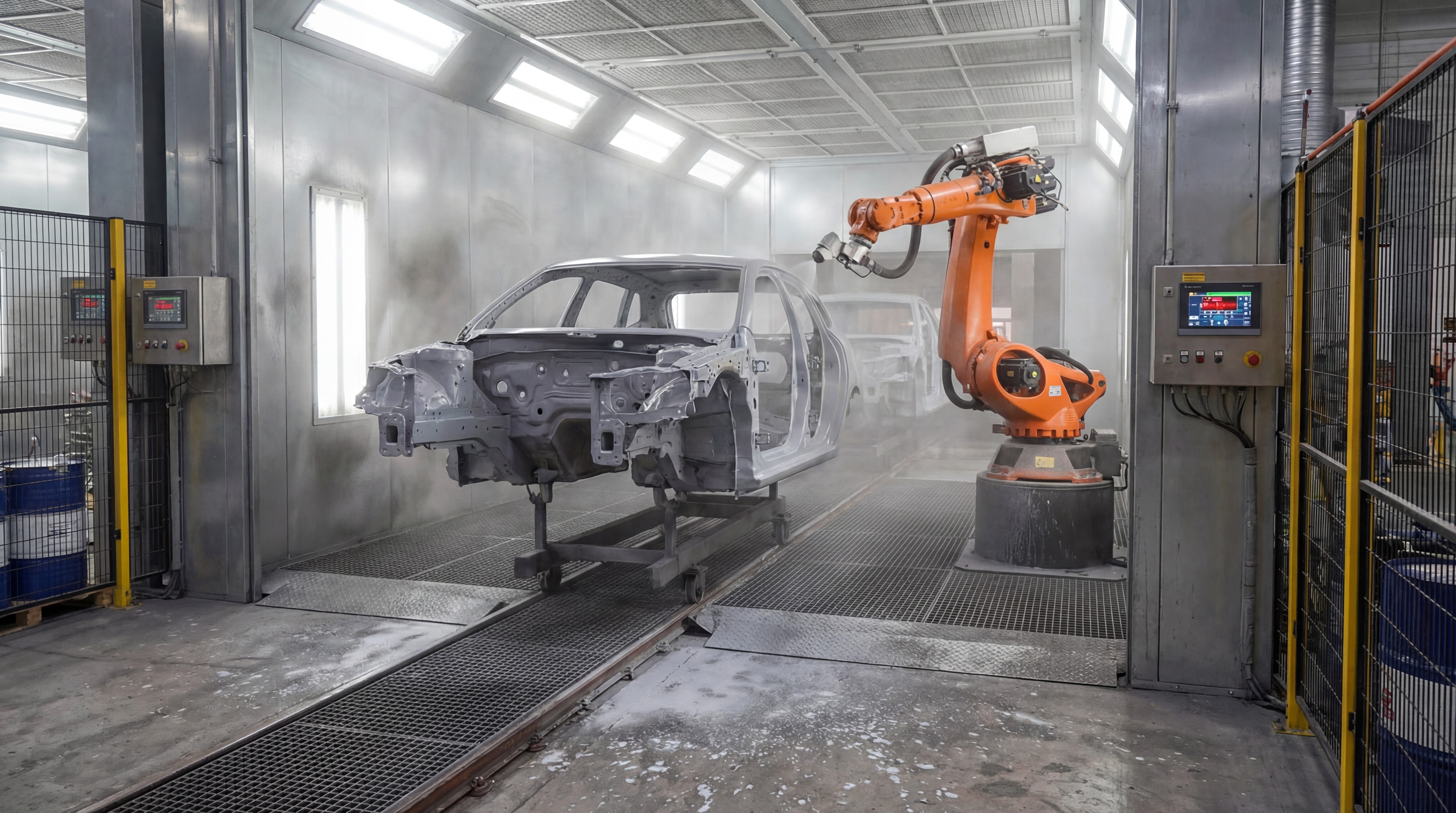
Industrial automation requires consistent output quality, predictable throughput, full traceability, and certification.
Trial-and-error or black-box behavior is acceptable for folding laundry or cleaning dishes, but incompatible with professional manufacturing environments.
Industrial automation requires consistent output quality, predictable throughput, full traceability, and certification.
Trial-and-error or black-box behavior is acceptable for folding laundry or cleaning dishes, but incompatible with professional manufacturing environments.
Beyond Physical AI
Beyond Physical AI
Beyond Physical AI
Physical AI will revolutionize how work gets done, both in consumer and industrial applications.
Vision-Language-Action (VLA) models enable robots to execute complex tasks without formal programming, using cameras and natural language.
By themselves however, they don't offer the reliability, efficiency and throughput industrial applications demand.
NC Robotics moves beyond Physical AI to enable reliable deployment in high performing industrial environments.
Physical AI will revolutionize how work gets done, both in consumer and industrial applications.
Vision-Language-Action (VLA) models enable robots to execute complex tasks without formal programming, using cameras and natural language.
By themselves however, they don't offer the reliability, efficiency and throughput industrial applications demand.
NC Robotics moves beyond Physical AI to enable reliable deployment in high performing industrial environments.
A multi-layer AI platform
for industrial robots
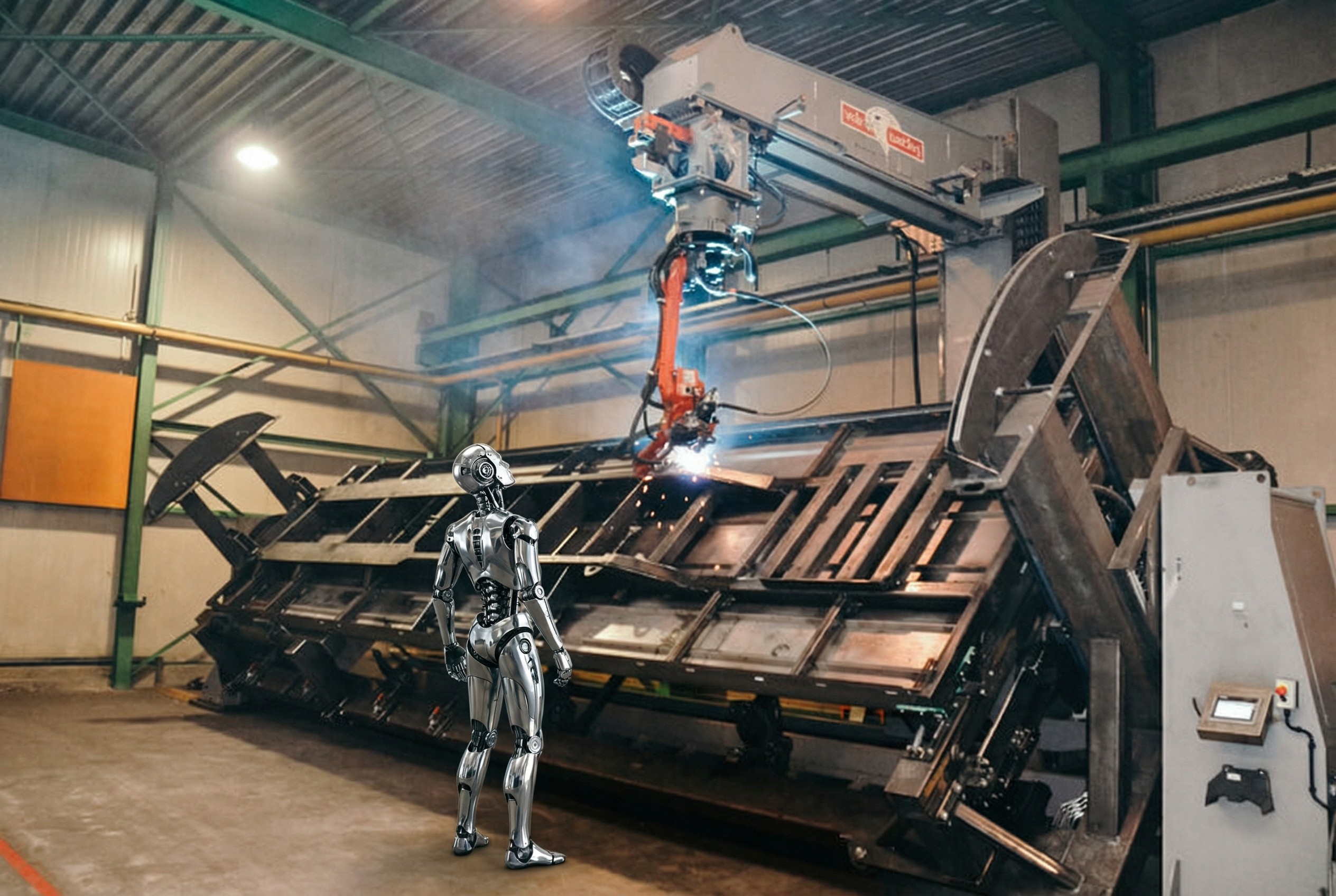
NC Robotics develops an industrial-grade AI platform, purpose-built for semi-structured manufacturing tasks.
A multi-layer AI platform
for industrial robots
NC Robotics develops an industrial-grade AI platform, purpose-built for semi-structured manufacturing tasks.

Expert trained function models
Expert trained function models
Dedicated models for robust automation of semi-structured tasks
Dedicated models for robust automation of semi-structured tasks
Application specific AI agents
Application specific AI agents
Expert assistant: learns policies, and interfaces with existing data and processes
Deterministic planning & execution
Deterministic planning & execution
Industrial-grade platform for deterministic quality and productivity